

Lisbon is advancing its vision of a more inclusive, climate-neutral, and livable city through the StepUPLxALL pilot in the Alvalade district.
The UP2030 Lisbon pilot focuses on transforming the Alvalade neighbourhood into a prototype for climate-neutral and resilient urban development. Centred around four pilot locations - São Miguel Rugby Club, Coruchéus Library, Alvalade Market, and the National Civil Engineering Laboratory (LNEC) - the project integrates physical interventions, digital monitoring, and inclusive community engagement to drive local impact and citywide inspiration.
Within UP2030, the Municipality of Lisbon has developed the StepUPLxALL methodology, a participatory and data-driven approach that empowers municipal teams, communities, and local organizations to co-design and prioritize climate actions. The pilot tests how data governance, spatial analysis, and citizen engagement can work together to support the transition toward a carbon-neutral and equitable neighborhood.




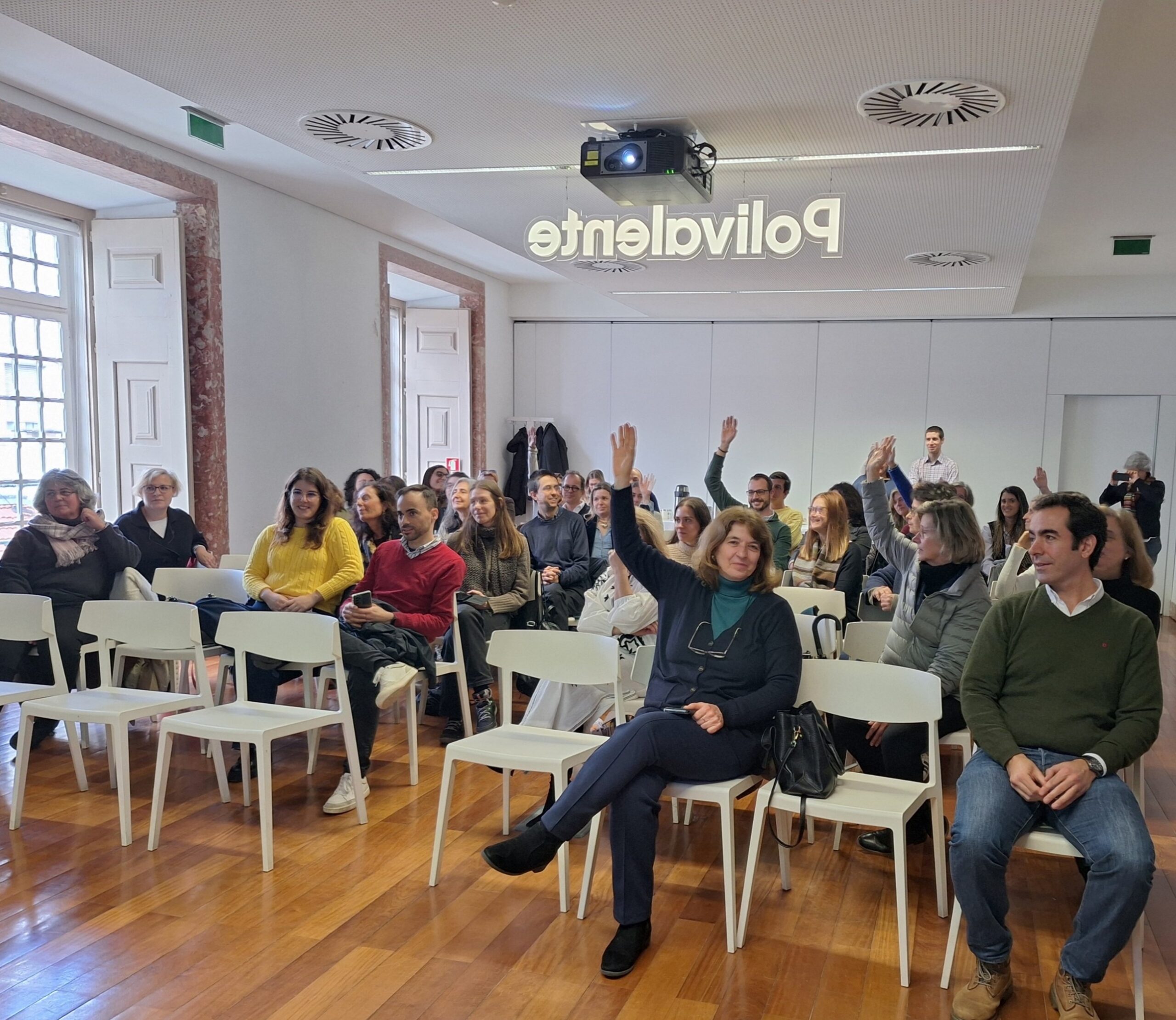
Municipal planners, technical departments, community organizations, local residents, and researchers engaged in equitable, climate-responsive neighborhood transformation.
Impact and Long Term Vision
The StepUPLxALL pilot establishes Alvalade as a living laboratory for Lisbon’s just transition. By combining technical assessment, participatory planning, and data governance, the city creates a scalable model for climate-neutral district development. The methodology strengthens collaboration across departments and enhances the capacity to make decisions that are both evidence-based and inclusive—supporting Lisbon’s broader ambition to achieve carbon neutrality by 2030 while ensuring that no one is left behind in the process.
- Lisbon City Council (CML)
- National Laboratory for Civil Engineering (LNEC)
- Lisboa E-Nova
- ETH Zurich (ETH)
- Fondazione LINKS (LINKS)
- Vrije Universiteit Brussel (VUB)
- ADENE
- Pilot sites
Prototype lead, mobility measures, and sustainable event guidelines.
Resilience assessments (RAF-ICARIA), water smart tools (B-WaterSmart), tools for measurements in the urban water cycle, and hydraulic modelling.

Lisbon’s Energy and Environment Agency: Energy monitoring, solar assessments.

Circular Urban Planning Tool.

Air quality forecasting.

Neutrality Story Maps.
Climate Ready certification.

São Miguel Rugby Club, Coruchéus Library, Alvalade Market, and LNEC campus.

Funded by the European Union. Views and opinions expressed are however those of the author(s) only and do not necessarily reflect those of the European Union or the European Climate, Infrastructure and Environment Executive Agency (CINEA). Neither the European Union nor the granting authority can be held responsible for them. This project has received funding from the Horizon Innovation Actions under the grant agreement n° 101096405.