

UP2030 aims to support cities in driving the socio-technical transitions required to meet their climate neutrality targets by leveraging urban planning and design. Within the project city stakeholders and local authorities will be supported and guided to put neutrality on the map of their communities in day-to-day actions and strategic decisions. An innovative methodology (5UP-approach) will be developed and applied through the co-development and implementation of science-based - yet practical - tools, and methods.
Inclusive participation is key throughout the project’s full cycle of activities so that real needs of communities are reflected in the city-specific visions, and co-designed interventions maximise delivery of co-benefits. As such, UP2030 will have a measured positive impact on spatial justice in the pilots, and give the opportunity to citizens to participate in the transition by becoming agents of change themselves through their sustainable behavioural shifts.
Making cities more connected and compact towards climate neutrality is an opportunity to make them better places to live for everyone, particularly the most vulnerable. To achieve this synergy, UP2030 will support pilot cities be deliberate towards spatial justice outcomes. Budapest, Granollers, Lisbon, Milan, Muenster, Rotterdam, Thessaloniki, Zagreb, Belfast, Istanbul and Rio de Janeiro are the cities where the project activities will be implemented.
Participating cities are committed to climate neutrality actions, having already released climate action plans. Six of the UP2030 cities have also applied to the Mission’s call for the first cohort of Climate-neutral and Smart Cities.The proposed project measures on the pilot themes, will foster intense co-creation activities and ensure multi-stakeholder collaboration.
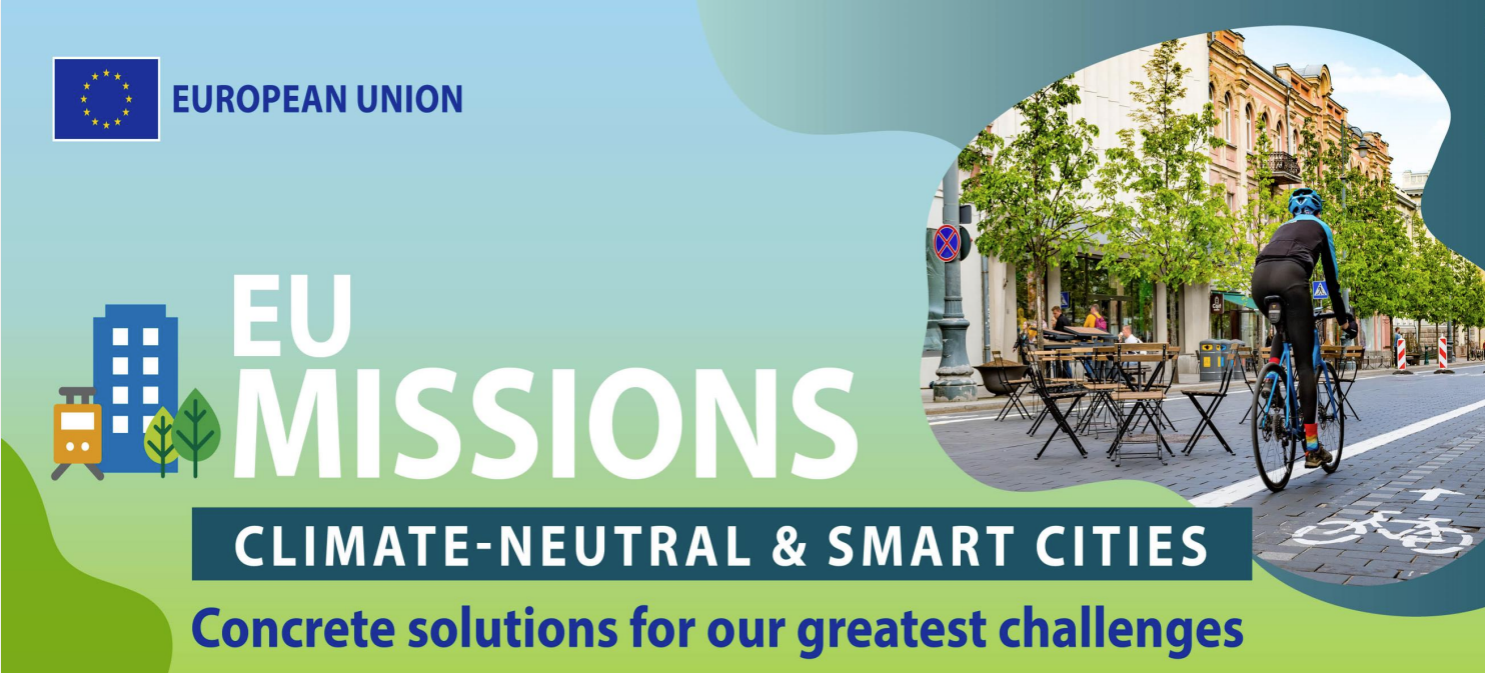
Cities play a pivotal role in achieving climate neutrality by 2050, the goal of the European Green Deal. They take up only 4% of the EU’s land area, but they are home to 75% of EU citizens. Furthermore, cities consume over 65% of the world’s energy and account for more than 70% of global CO2 emissions.
The Cities Mission will involve local authorities, citizens, businesses, investors as well as regional and national authorities to:
- Deliver 100 climate-neutral and smart cities by 2030
- Ensure that these cities act as experimentation and innovation hubs to enable all European cities to follow suit by 2050
As foreseen in its implementation plan, the Cities Mission takes a cross-sectoral and demand-led approach, creating synergies between existing initiatives and basing its activities on the actual needs of cities.
-
 Read more +
December 16, 2025 By Ektoras Makras in News & Events
Read more +
December 16, 2025 By Ektoras Makras in News & Events
Online Training Program: How to Build Carbon Neutral, Resilient and Just Cities
-
 Read more +
November 18, 2025 By Ektoras Makras in News & Events
Read more +
November 18, 2025 By Ektoras Makras in News & Events
UP2030 at Smart City Expo World Congress 2025
-
Read more +
By Ektoras Makras in News & Events
UP2030 launches the Service Platform to help cities put climate neutrality into action
-
 Read more +
October 6, 2025 By Ektoras Makras in News & Events
Read more +
October 6, 2025 By Ektoras Makras in News & Events
Reclaiming Space, Reimagining Futures: Thessaloniki’s District Climate Action Plan
-
 Read more +
October 1, 2025 By Ektoras Makras in News & Events
Read more +
October 1, 2025 By Ektoras Makras in News & Events
From Green Week to the Green and Landscape Plan: Milan strengthens its path within UP2030
-
 Read more +
September 23, 2025 By Ektoras Makras in News & Events
Read more +
September 23, 2025 By Ektoras Makras in News & Events
Lisbon Launches Guide for Sustainable and Climate-Neutral Events
-
 Read more +
July 21, 2025 By Ektoras Makras in News & Events
Read more +
July 21, 2025 By Ektoras Makras in News & Events
Muenster Embeds Climate Justice into City Practice
-
 Read more +
July 10, 2025 By Ektoras Makras in News & Events, Uncategorized
Read more +
July 10, 2025 By Ektoras Makras in News & Events, Uncategorized
SAVE THE DATE: 3 November 2025 – Cities in Action – Shaping just resilient & climate neutral urban planning
-
 Read more +
By Ektoras Makras in News & Events
Read more +
By Ektoras Makras in News & Events
UP2030 Upscaling Workshops Take Off Across Europe
-
 Read more +
May 19, 2025 By Ektoras Makras in News & Events
Read more +
May 19, 2025 By Ektoras Makras in News & Events
Exploring Urban Climate Strategies: Highlights from Primavera R 2025 with UCCRN in Barcelona
-
 Read more +
December 18, 2025 By Ektoras Makras in Blog
Read more +
December 18, 2025 By Ektoras Makras in Blog
Designing for Impact: Lessons from UP2030 in shaping climate neutral, resilient, and just neighbourhoods
-
 Read more +
November 12, 2025 By Ektoras Makras in Blog
Read more +
November 12, 2025 By Ektoras Makras in Blog
Two new guides to help cities plan, evaluate, and finance climate action
-
 Read more +
November 6, 2025 By Ektoras Makras in Blog
Read more +
November 6, 2025 By Ektoras Makras in Blog
Lisbon Observatories: Creative data to build awareness, engage and empower citizens at local level
-
 Read more +
October 25, 2025 By Ektoras Makras in Blog
Read more +
October 25, 2025 By Ektoras Makras in Blog
Neutrality Story Maps Goes Public: Mapping Everyday Climate Experiences
-
 Read more +
September 17, 2025 By Ektoras Makras in Blog
Read more +
September 17, 2025 By Ektoras Makras in Blog
Circularity as a means to reduce environmental impacts of city’s buildings
-
 Read more +
August 6, 2025 By Ektoras Makras in Blog
Read more +
August 6, 2025 By Ektoras Makras in Blog
From Stories to Action: Empowering Citizens for Climate-Just Cities with Neutrality Story Maps
-
 Read more +
July 15, 2025 By Ektoras Makras in Blog
Read more +
July 15, 2025 By Ektoras Makras in Blog
Designing Smart Cities with Privacy in Mind
-
 Read more +
July 1, 2025 By Ektoras Makras in Blog
Read more +
July 1, 2025 By Ektoras Makras in Blog
Enhancing resilience in Lisbon: the role of supporting tools to foster adaptation in the urban water cycle
-
 Read more +
June 23, 2025 By Ektoras Makras in Blog
Read more +
June 23, 2025 By Ektoras Makras in Blog
Unveiling Urban Heat Islands with AI: A Path to Cooler Cities
-
 Read more +
June 5, 2025 By Ektoras Makras in Blog
Read more +
June 5, 2025 By Ektoras Makras in Blog
Measuring what makes cities livable: A look at the Liveable Cities Index

Funded by the European Union. Views and opinions expressed are however those of the author(s) only and do not necessarily reflect those of the European Union or the European Climate, Infrastructure and Environment Executive Agency (CINEA). Neither the European Union nor the granting authority can be held responsible for them. This project has received funding from the Horizon Innovation Actions under the grant agreement n° 101096405.